
Angry Birds Herbal Incense – 5F-AB-PINACA – CB1
¥ 11,500.00


@NhcherbalsbsTelegram Support
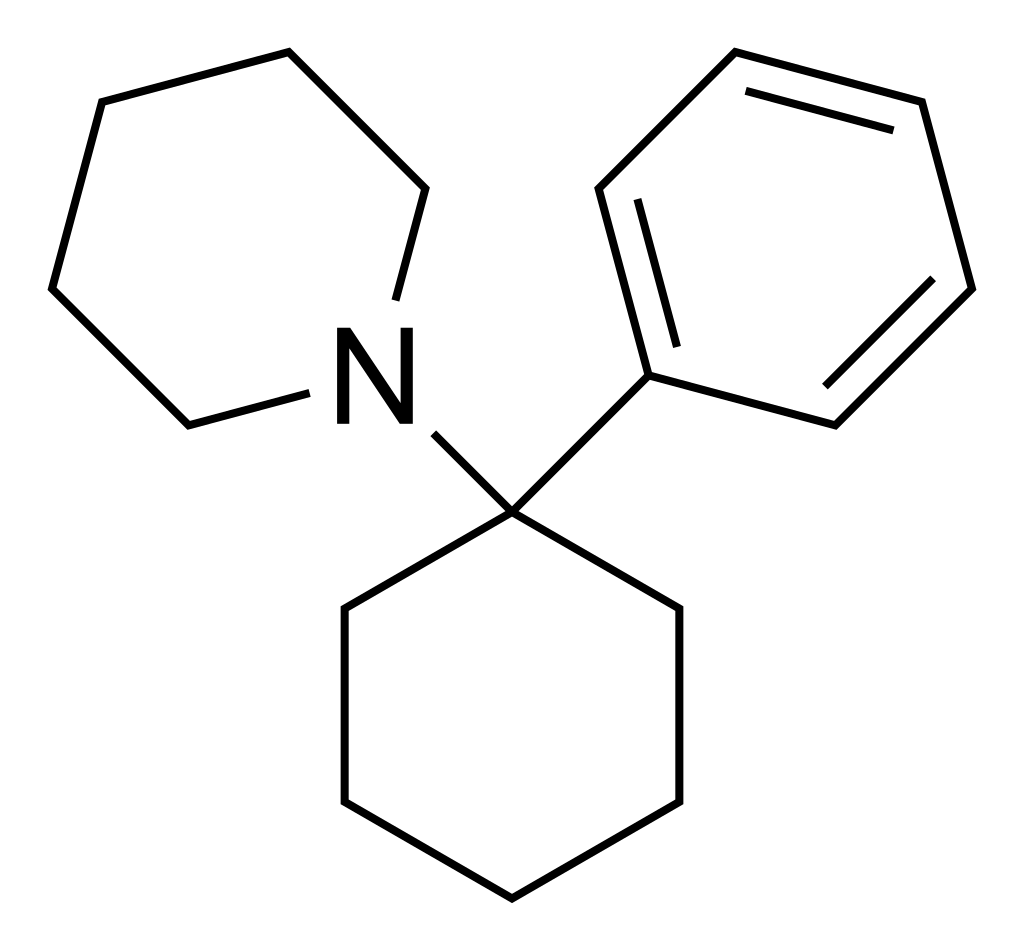
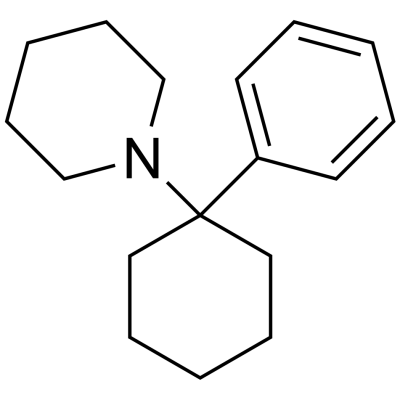
Phenylcyclohexyl piperidine; Phencyclidine hydrochloride (salt form).
Dissociative anesthetic / Arylcyclohexylamine (same family as ketamine).
PubChem; National Institute on Drug Abuse (NIDA).
⚠️ Important Warning — Do Not Use
Phencyclidine (PCP) is not safe for human use. Although it was originally researched as a medical anesthetic, it was discontinued because of severe adverse psychological and physical effects. Use of PCP can cause dangerous hallucinations, violent behavior, persistent psychosis, seizures, coma, and death.
Possession, distribution, or use of PCP is illegal in most countries.
On the illicit market, PCP is commonly sold as a low-cost hallucinogenic or dissociative. Typical forms include powders for snorting or smoking, liquids used to soak plant material or cigarettes, and pills or capsules sometimes misrepresented as other substances. Street products may be adulterated with unknown chemicals, which increases the risk of unpredictable and dangerous effects.
This fact sheet is for informational and educational purposes only and is not medical or legal advice. For authoritative, up-to-date information, consult official sources such as PubChem or NIDA.
Phencyclidine acts primarily as a **noncompetitive antagonist** of the N-methyl-D-aspartate (NMDA) receptor. By binding inside the open channel of NMDA receptors, it interrupts the flow of ions, especially calcium, reducing excitatory neurotransmission. :contentReference[oaicite:0]{index=0} Because the PCP binding site is within the ion channel, PCP must wait for channel activation (e.g. by glutamate and coagonists) before it can enter and block. :contentReference[oaicite:1]{index=1}
PCP is both water- and lipid-soluble, enabling it to cross the blood-brain barrier rapidly. :contentReference[oaicite:2]{index=2} In the liver, PCP undergoes oxidative metabolism (≈ 90 %) via hydroxylation, forming metabolites such as PCHP, PPC, and PCAA, which then are conjugated and excreted in urine. Only a small fraction (≈ 9 %) is eliminated unchanged. :contentReference[oaicite:3]{index=3}
At moderate to high doses, PCP causes psychotomimetic effects: hallucinations, dissociation, delusions, agitation, and risk of psychosis. :contentReference[oaicite:4]{index=4} Human volunteer studies have shown that PCP can produce vertigo, ataxia, nystagmus, lightheadedness, and social irritability under stress. :contentReference[oaicite:5]{index=5}
Animal models show that repeated or “subchronic” PCP exposure can induce cognitive and social deficits that mimic features of schizophrenia (for example, social withdrawal, impaired executive function). :contentReference[oaicite:6]{index=6} Recent research points toward **neurotoxicity** in the central nervous system, with evidence of neuronal damage, oxidative stress, and synaptic alterations after PCP exposure. :contentReference[oaicite:7]{index=7}
PCP has been widely used in preclinical (animal) and translational studies to induce schizophrenia-like symptoms, especially to study glutamate hypotheses of psychosis. :contentReference[oaicite:8]{index=8} Acute PCP administration in healthy humans can transiently elicit positive psychotic symptoms (hallucinations, thought disorder) as well as negative/cognitive changes, supporting its use as a psychotomimetic model. :contentReference[oaicite:9]{index=9} Researchers are exploring how PCP-induced NMDA blockade triggers downstream changes in dopaminergic and glutamatergic circuits, synaptic plasticity, and biomarkers relevant to schizophrenia. :contentReference[oaicite:10]{index=10}
Repeated PCP use can lead to **tolerance**, though **dependence** is less well characterized in humans. :contentReference[oaicite:11]{index=11} Long-term effects among users may include anxiety, memory impairment, depression, speech difficulties, and social withdrawal. :contentReference[oaicite:12]{index=12} PCP's lipophilicity allows it to accumulate in fatty tissues and be released intermittently, potentially prolonging or re-magnifying effects days after use. :contentReference[oaicite:13]{index=13}
Overdose and toxicity may manifest as hyperthermia, rhabdomyolysis, kidney failure, seizures, and cardiovascular complications. :contentReference[oaicite:14]{index=14} Because PCP may alter a variety of neurotransmitter systems beyond NMDA (including dopamine, serotonin, and others) and trigger oxidative stress pathways, the full spectrum of long-term damage remains an area of active research. :contentReference[oaicite:15]{index=15}
References: Selected peer-reviewed articles and reviews (e.g. “Phencyclidine Intoxication and Adverse Effects”, NCBI; DARK Classics in Chemical Neuroscience: Phencyclidine (PCP)”)
Your email address will not be published. Required fields are marked *
Please login to write review!
Looks like there are no reviews yet.