
Angry Birds Herbal Incense – 5F-AB-PINACA – CB1
¥ 11,500.00


@NhcherbalsbsTelegram Support
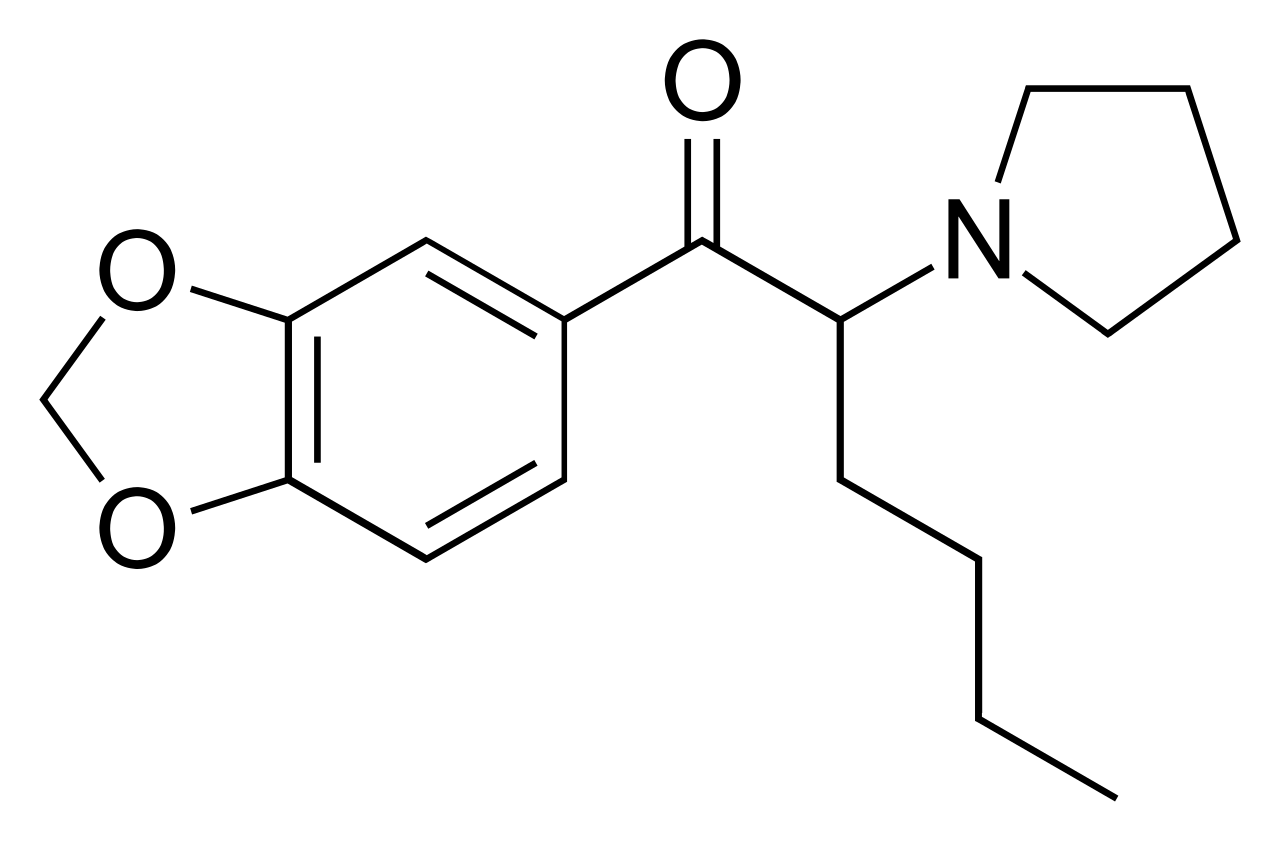
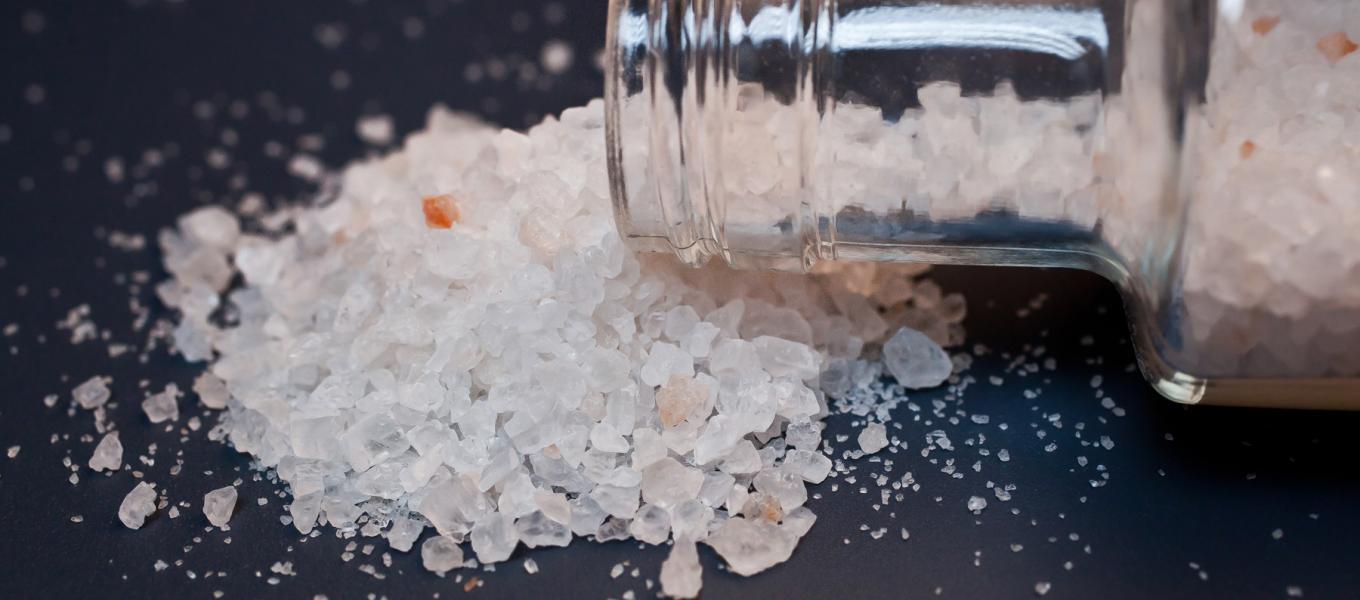
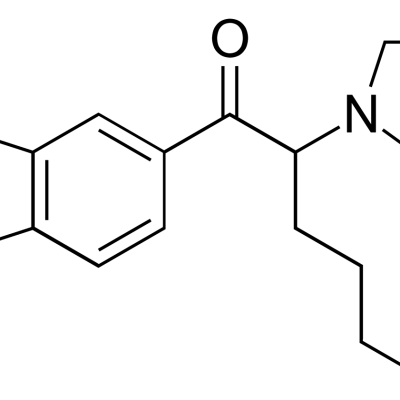
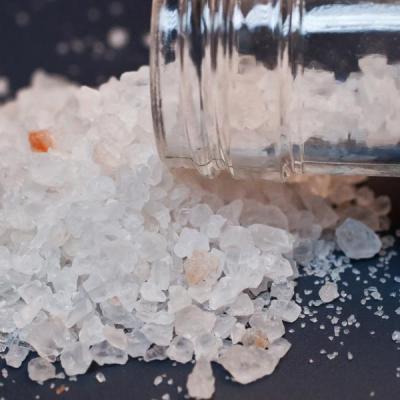
“Bath salts” is a slang term for synthetic cathinones, a group of stimulant drugs chemically related to the naturally occurring compound in khat plants. These substances are often misleadingly packaged as products like “bath salts,” “plant food,” or “not for human consumption” to evade drug laws.
Synthetic cathinones act as central nervous system stimulants. They primarily affect dopamine, norepinephrine, and serotonin systems, producing effects similar to amphetamines and MDMA. Their addictive potential is considered high due to rapid onset of reinforcing effects.
Users may experience increased energy, wakefulness, sociability, and in some cases, heightened empathy or euphoria. However, adverse psychological effects such as paranoia, hallucinations, and psychosis are also common.
⚠️ Safety Warning: Bath salts are associated with serious health risks. Physical effects include rapid heartbeat, high blood pressure, nausea, sweating, tremors, and seizures. Psychological effects include agitation, aggression, paranoia, hallucinations, and delusions. In extreme cases, use has led to violent behavior, self-harm, and death.
Most synthetic cathinones are classified as controlled substances worldwide. In the U.S., compounds such as MDPV, mephedrone, and methylone are Schedule I. Despite this, some continue to be sold online or in shops under deceptive labels, often with unknown purity and contents, increasing risks.
Synthetic cathinones were first synthesized in the 1920s, but they surged in recreational use during the mid-2000s, particularly in Europe and North America. Media coverage in 2009–2012 frequently sensationalized their effects, sometimes inaccurately linking them to “zombie-like” incidents.
Your email address will not be published. Required fields are marked *
Please login to write review!
Looks like there are no reviews yet.